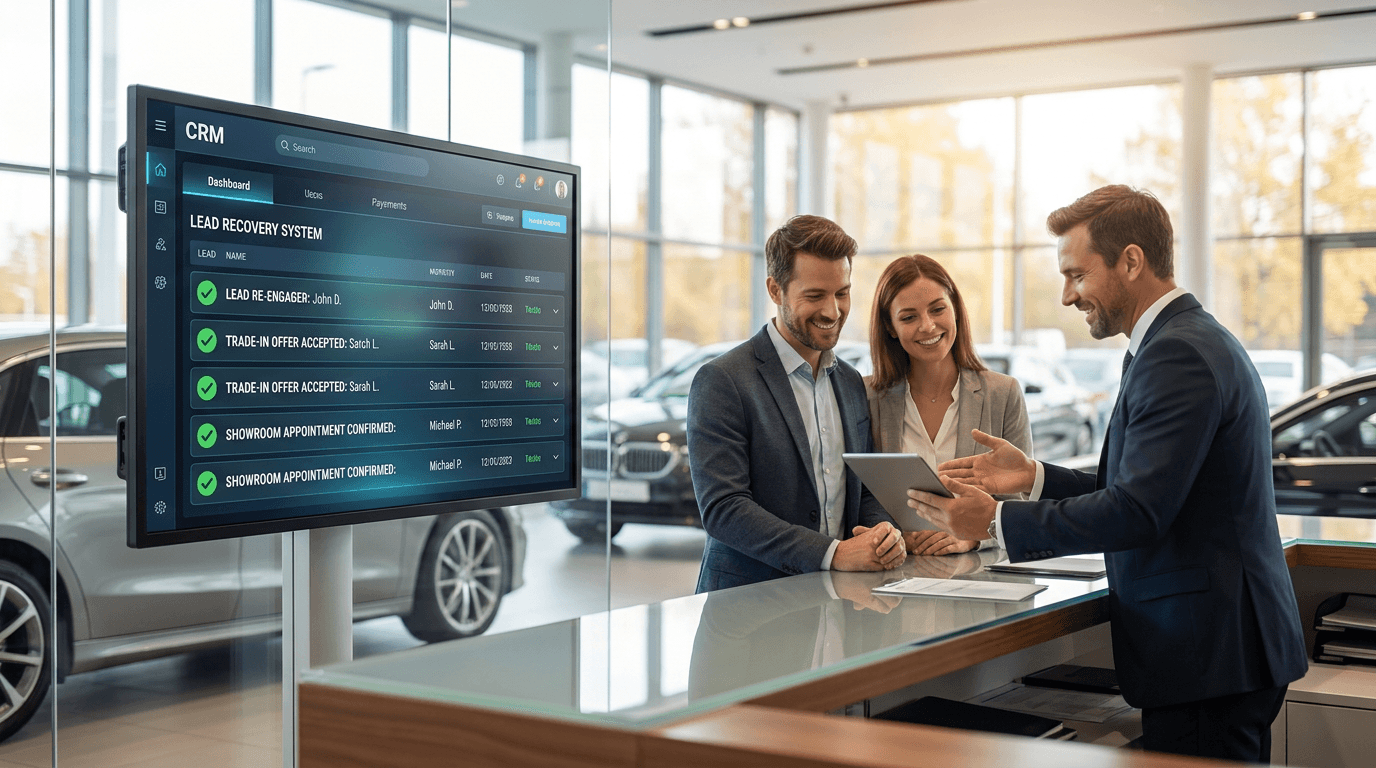
Why Your Current CRM Is Quietly Killing Your Internet Sales Team (And the 2026 Architecture That Replaces It)
The fundamental flaws of activity-surveillance CRMs: why rigid task lists destroy sales productivity and how modern event-driven architectures accelerate deals.
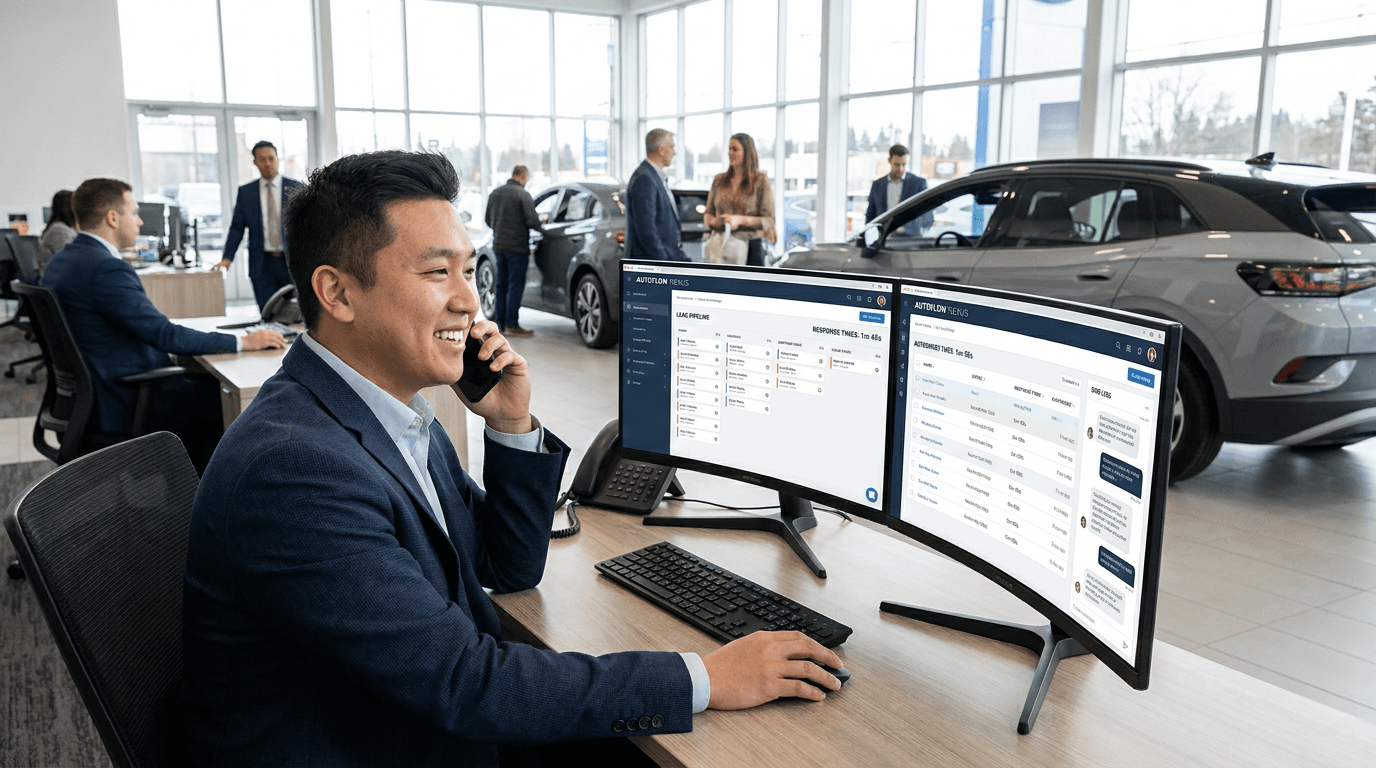
Executive Summary & Key Findings
- Traditional dealership CRMs were engineered 20 years ago as manager surveillance tools rather than sales acceleration engines.
- Sales representatives waste up to 40% of their workday completing fake tasks (logging ghost calls) to satisfy rigid manager activity quotas.
- Modern event-driven pipelines replace calendar tasks with real-time customer intent triggers and omnichannel messaging.
- Automated background nurturing allows sales consultants to engage only when prospective buyers demonstrate active buying intent.
The Great Dealership CRM Disconnect
Ask almost any automotive sales consultant what software tool they dread using most, and the answer is almost universally their CRM. Conceived over twenty years ago, traditional dealership CRMs were engineered primarily as surveillance tools for sales managers, designed to log phone dials, record email timestamps, and generate compliance activity reports.
They were never engineered to help modern sales professionals sell more cars in an omnichannel digital world. Instead, they act as massive administrative anchors that slow down response times and frustrate top-performing sales consultants.
In 2026, progressive dealer groups are abandoning rigid task-based CRMs and transitioning to modern event-driven sales architectures that automate low-value chores and accelerate real customer conversations.
The "Click-and-Forget" Fake Activity Trap
In a legacy CRM, every incoming lead triggers an automated, rigid 90-day task schedule: Day 1 Call, Day 1 Email, Day 2 Call, Day 3 Text, Day 5 Call. When a sales consultant logs into their terminal each morning, they are greeted by 80 to 120 overdue tasks.
To satisfy management activity quotas and clear their red screen, sales reps quickly develop workarounds. They click task completed without picking up the phone, log ghost calls that lasted zero seconds, and mark notes as left message.
This fake activity cycle consumes up to two hours of productive sales time every day. Sales managers review activity dashboards that look impressive on paper, while real, high-intent prospective buyers sit unworked in the queue.
Rigid Calendar Tasks vs. Real-Time Intent Triggers
Modern consumers do not buy cars on a rigid 72-hour CRM task schedule. A customer may submit an inquiry on Monday, go silent for three weeks, and then suddenly spend 45 minutes on Saturday evening browsing three specific certified pre-owned SUVs on your website.
A legacy CRM remains completely blind to that digital activity because no scheduled task exists for that evening. In contrast, a modern event-driven sales platform monitors real-time digital behavior across all digital touchpoints.
The moment that prospective buyer returns to the website and views a window sticker for the third time, the system triggers an instant intent alert to the sales consultant smartphone: "John Doe is currently viewing the 2024 Tahoe on your lot. Click here to send a personalized video walkaround."
This intent-driven approach ensures sales outreach occurs at the exact moment consumer purchasing interest is peaked.
Omnichannel Messaging: SMS, Video, and WhatsApp
Legacy CRMs still treat email as the primary digital communication channel, despite the fact that retail automotive email open rates have plunged below 18%. In contrast, text messaging boasts an extraordinary 98% open rate and a 45% average response rate.
Modern sales architectures unify two-way SMS, WhatsApp, high-definition video walkarounds, and phone calls into a single seamless conversation thread. Sales consultants can record a 30-second personalized video on their mobile phone showing a vehicle exterior condition and text it directly to the customer in one tap.
Customers appreciate the transparency, and sales conversion rates on video presentations consistently double compared to sterile text-only communications.
The 2026 Architecture: Freeing Sales Talent to Sell
By automating lead qualification, trade equity gathering, and routine follow-up via background AI, modern platforms liberate sales representatives to focus on what humans do best: building trust, providing memorable vehicle demonstrations, and delivering high-touch hospitality.
Top-performing sales professionals no longer spend their days chained to desktop terminals clicking through administrative task lists. They operate untethered on the showroom floor, armed with real-time customer intelligence that helps them close deals faster and earn higher commissions.
Related Automotive Intelligence
CDK vs Reynolds vs DMSPilot: What Dealership Groups Should Know Before Switching in 2026
Why Dealerships Lose $200K+ a Year to Disconnected DMS, CRM, and Inventory Systems